C5 OLEFIN ≥99.3%
Isoamylene (2-Methyl-2-butene)
Isoamylene (isopentene) at ≥99.3% total isopentenes, with 2-methyl-2-butene ≥90%, color ≤30 APHA and methanol, dimethyl ether and water each ≤0.02%. Supplied in ISO tanks.
Samples are available for qualification testing before a bulk order.
Overview
Isoamylene (2-Methyl-2-butene)
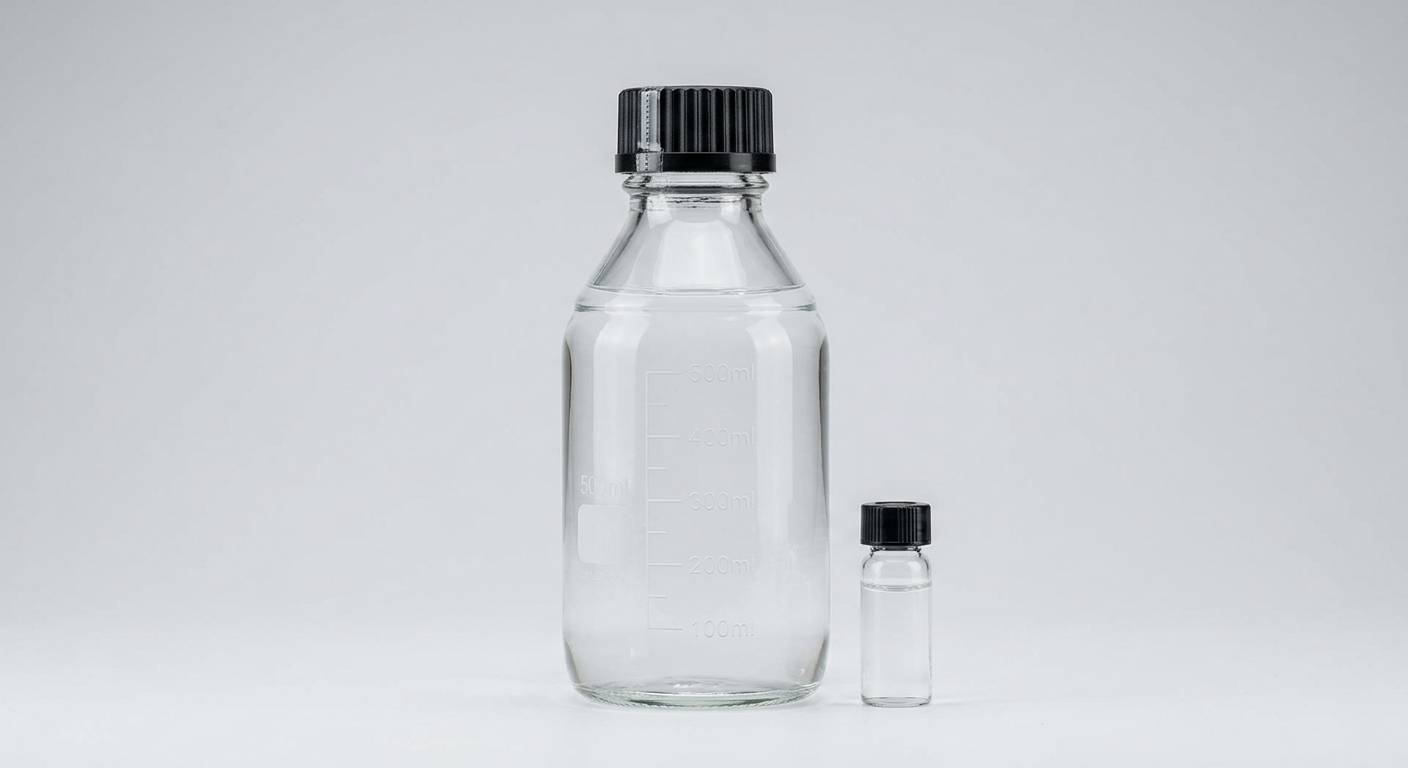
Isoamylene (isopentene, C₅H₁₀) is a branched C5 olefin. In this product the isopentene isomers make up at least 99.3%, and 2-methyl-2-butene accounts for at least 90%.
The specification also caps three trace components — methanol, dimethyl ether and water — at 0.02% each, and color at 30 APHA. Those trace limits matter in acid-catalyzed reactions such as alkylation and etherification.
Isoamylene is used as a solvent and reaction intermediate (for example for tert-amyl phenols and tert-amyl alcohol), in coatings and plastics chemistry, and as a feedstock for diesel additives and high-energy fuels.
Product identification
Product identification
| Product Name | Isoamylene (2-Methyl-2-butene) |
| Other names | Isopentene; 2-methyl-2-butene; β-isoamylene |
| CAS Number | 513-35-9 |
| HS Code | 2901.29 |
| Molecular Formula | C₅H₁₀ |
| Molecular Weight | 70.13 g/mol |
| Purity | Isopentenes ≥99.3% (2-methyl-2-butene ≥90%) |
| Appearance | Colorless liquid |
Quality specification
Quality specification
Sales specification
| Parameter | Specification | Unit |
|---|---|---|
| Isopentenes (total) | ≥ 99.3 | % |
| 2-Methyl-2-butene | ≥ 90 | % |
| Color (Pt-Co) | ≤ 30 | APHA |
| Methanol | ≤ 0.02 | % |
| Dimethyl ether | ≤ 0.02 | % |
| Water | ≤ 0.02 | % |
What the limits mean
What the limits mean
Total isopentenes ≥99.3%
Nearly all of the product is C5 olefin, so other hydrocarbons are below 0.7% combined.
Methanol, dimethyl ether and water ≤0.02% each
These components can interfere with acid-catalyzed alkylation and etherification, so each is held to 200 ppm.
Color ≤30 APHA
A color limit on the platinum-cobalt (APHA) scale guards against oxidized or polymerized residues.
Applications
Applications by industry
1
Fine chemicals and intermediates
Reaction intermediate and solvent.
Alkylation products such as tert-amyl phenols
Tert-amyl alcohol and other tert-amyl compounds
Solvent use
2
Coatings and plastics
Raw material in coatings and plastics chemistry.
Intermediates for coatings and plastics additives
3
Fuels
Feedstock for fuel components.
Diesel fuel additives
High-energy-density fuel components
Etherification to TAME (tert-amyl methyl ether)
Technical Specifications
Physical and chemical properties
| Parameter | Value | Unit |
|---|---|---|
| Density (20 °C) | 0.662 | g/cm³ |
| Boiling point | 38.6 | °C |
| Melting point | -133.7 | °C |
| Flash point | -45 | °C |
| Solubility in water | Practically insoluble | - |
| Vapor pressure (25 °C) | 61.5 | kPa |
Packaging & Shipping
Packaging, storage and transport

Packaging
ISO tank – Bulk
Shipping & Storage
Storage: Store in closed, pressure-tight containers in a cool, well-ventilated area away from heat, ignition sources and oxidizers. The product boils at about 39 °C.
Hazardous: Yes - DG transport required
Origin: Produced by a large-scale C5 processing partner in Shandong, China. Easier Materials is the export partner.
Commercial terms: MOQ, lead time and delivery terms are quoted per enquiry.
Regulatory and transport data
| Item | Value |
|---|---|
| EC number | 208-156-3 (2-methyl-2-butene) |
| UN number | UN 2460 (2-methyl-2-butene) |
| Transport class and packing group | Class 3 (flammable liquid), packing group II |
| Isomer note | 3-Methyl-1-butene, a different isomer, is UN 2561, packing group I. Some suppliers declare isopentene isomer mixtures under UN 2371 (isopentenes), and a producer safety data sheet for a 2-methyl-2-butene / 2-methyl-1-butene product declares UN 1993 (flammable liquid, n.o.s.), packing group II. The CAS number and UN entry on shipping documents follow the composition of the grade. |
| GHS signal word | Danger |
| GHS hazard statements | H225 (highly flammable liquid and vapor); H302 (harmful if swallowed); H341 (suspected of causing genetic defects); H411 (toxic to aquatic life with long-lasting effects). Notified classifications for this CAS number differ between suppliers: a minority add H304, H336, H350 or H351, so the safety data sheet issued for the grade is the controlling document. |
| HS code | 2901.29 (acyclic hydrocarbons; unsaturated, not elsewhere specified in heading 2901) |
| Inventory listings | The substance is listed on the Australian AIIC and has a New Zealand HSNO approval (HSR001257, approved with controls). A registration dossier for the substance is on the ECHA list (EU REACH); whether it covers a given import route is for the importer to confirm. |
| Further synonyms | 2M2B; 2-methylbut-2-ene; trimethylethylene; amylene |
Application chemistry
Isoamylene is a tertiary C5 olefin and is used mainly as an alkylating agent. Phenol alkylated with isoamylene over a solid acid or acidic ion-exchange resin gives p-tert-amylphenol and 2,4-di-tert-amylphenol; the older sulfuric-acid route needed neutralization and separation. Both products are required in high purity for their uses, the ortho isomer is hard to separate from p-tert-amylphenol, and diluting isoamylene with hydrocarbons lowers ortho formation. The phenols go into resins, antioxidants and UV absorbers. One downstream family, benzotriazole UV absorbers carrying di-tert-pentylphenol (UV-328), was added to Annex A of the Stockholm Convention in May 2023 and to the EU POPs Regulation in 2025, so the end use of a tert-amylphenol is checked.
Isoamylenes (primarily 2-methyl-1-butene and 2-methyl-2-butene) are etherified with methanol over ion-exchange resin in the liquid phase to give TAME (tert-amyl methyl ether), a fuel ether. A published list of isoamylene uses names fragrances, pesticides, peroxides, polymer antioxidants, UV stabilizers and hydrocarbon resin. In the fragrance route to polycyclic musks of the HHCB type, α-methylstyrene is cycloalkylated with tert-amylene to pentamethylindane. A known use of isopentene is also in the synthesis of pinacolone, which is export-controlled.
In the laboratory, 2-methyl-2-butene scavenges hypochlorous acid in the Pinnick oxidation and acts as a radical scavenger in chloroform and dichloromethane; commercial chloroform contains 100–200 ppm of amylene as stabilizer.
How this grade compares
Published catalogue grades include "technical 90%" 2-methyl-2-butene, whose remainder is mainly 2-methyl-1-butene, and isomer mixtures at 83.0–88.0% (GC). The grade on this page is specified at isopentenes ≥99.3% with 2-methyl-2-butene ≥90%. Because the isopentene isomers differ in reactivity and in UN entry, a process that is sensitive to the isomer ratio states the composition it needs in the enquiry.
Storage and shelf life
Keep in a cool, dry, ventilated place, apart from oxidizers and acids.
Isoamylene is not suited to long storage, because it can polymerize.
Documentation
Documentation
TDS and MSDS available on request
FAQ
Frequently Asked Questions
Related Products
Related Products
Request a Quote — Isoamylene (2-Methyl-2-butene)
Receive a customized quote within 24 hours. Our technical team is ready to assist with specifications, compatibility, and pricing.